BY: ROBERT MCCALL, OPINION WRITER
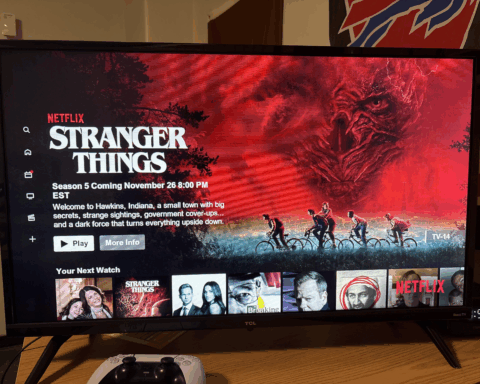
In today’s world, video games have become a highly contested topic. Games like Clash Royale, Wordle, Fortnite and Minecraft all impact our health to some degree. As children, people saw video games as a detriment to our health; however, what if video games actually helped you?
While many of us were growing up, people saw video games as a detrimental factor to our lives; however, what if video games helped you?
While investigating this topic, I interviewed Christian Greer, head coach of Saint Bonaventure’s varsity eSports team, who was the previous assistant eSports coach at Kean University. There, he coached and managed the university’s Rainbow Six Siege team, Call of Duty: Vanguard team, and Fortnite team.
Greer says, “puzzle games such as Tetris and Silksong have the potential to be healthy for older individuals and exercise brain function.” According to Jessica Wheelock, of the University of California, when people play video games, they enter a state of flow, where they become “completely immersed in an activity”. Then, continues Wheelock, “when people come out of the flow state, they feel energized and refreshed — not exhausted from hours of intense work and focus like you might expect.” Video games bring less stress than initially expected, because people forget about their worries, focusing entirely on the game.
Video games act as an escape from the stressors of everyday life, which can be beneficial. For example, if you’re stressed over a test and struggling to focus on studying, your brain is signaling it needs a break. By playing video games, it allows you to relax and give your brain time to process the information it’s consumed. Not only do videogames allow your nervous system to calm down, but they allow you to practice spacing out your studying.
Greer noted some specific ways video games help with cognitive function.
“Games such as Call of Duty and Fortnite, force gamers to pay attention to small details and react quickly to sudden changes,” said Geer. There are also games that can boost hand-eye coordination including Rainbow 6 and Marvel Rivals.
“Since both games tend to be fast paced at certain times,” said Geer, “It can force gamers to coordinate their eyes, hands, and reflexes with precision.”
In addition to fast reactions and precise coordination, Greer adds, “video games also improve decision making under pressure. Most games reward players for making quick and strategic decisions. With practice and repetition, this improves executive function, which is the brain’s ability to weigh options, anticipate outcomes, and act efficiently under stress.” Therefore, videogames can grant many benefits for one’s mind, despite those not being clear when purchasing a video game initially.
According to the National Institute of Health, “functional MRI brain imaging analyses found that children who played video games for three or more hours per day showed higher brain activity in regions of the brain associated with attention and memory than did those who never played.” So, playing videogames for a period does help your brain. However, despite the cognitive benefits of video games, it’s still important to practice healthy balancing habits, as playing video games too much can hinder your physical activity, leading to worse health.
Christian Greer acknowledges this when saying the following: “if you play a healthy amount [of video games] (1.5-2.5 hrs a day), participate in extracurricular activities, and are physically active, then I personally cannot see a way in which gaming can negatively harm you.”
Video games can help you mentally if you manage your health correctly. Educational games such as Prodigy, word games like Wordle, and even games like Minecraft benefit everyday life. Prodigy teaches you the importance of math, Wordle helps expand your vocabulary and Minecraft teaches you to adapt to unique surroundings in a constructive way. Ultimately, videogames are a way to unwind and relax without taking a massive toll on your brain.